


Recommended for you


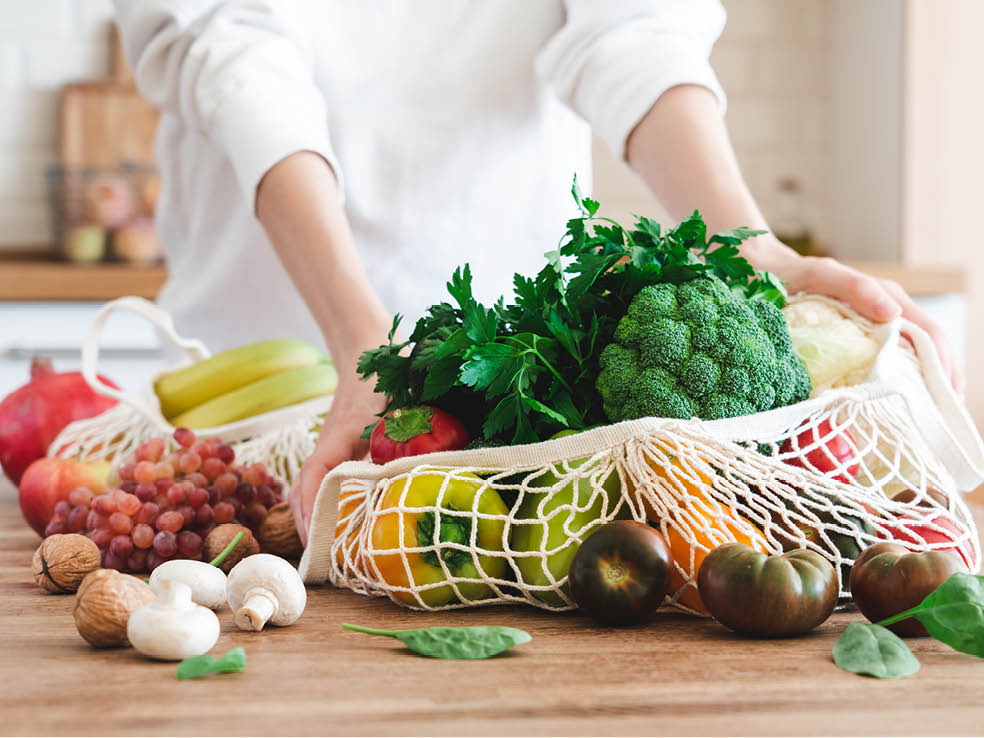
Sustainability is built at the dinner table, starting with fresh fruit and vegetables.
It is one of the most cited and studied dietary models in the world: the Mediterranean diet is internationally recognised as a prime example of balance between health and sustainability. Based predominantly on the consumption of plant-based foods (fruit, vegetables, cereals, legumes) alongside fresh, seasonal produce, it represents a benchmark for combining nutritional well-being with environmental awareness.
promotes a more efficient use of natural resources by driving value into local production and reducing overall pressure on the food system. Fondazione Dieta Mediterranea (Mediterranean Diet Foundation) highlights reductions in environmental impact of up to 50-60% compared to diets higher in animal products.
It is precisely in terms of resource usage – land, water, and energy – that this difference becomes clear. Diets rich in plant-based foods are generally more efficient: they require fewer resources to produce and generate lower emissions compared to dietary patterns high in animal products. Consider water consumption: producing one kilogram of beef can require an average of approximately 15,000 litres of water, whereas one kilogram of vegetables requires around 300 litres, and fruit around 900 litres.
Another element often overlooked concerns the cost of diets. International evidence shows that plant-based dietary models can, in many cases, be more economically accessible, particularly when seasonal and local produce is prioritized.
Against this backdrop, major international institutions clearly point the way forward. The FAO and the World Health Organization include fruit and vegetables among the foundational elements of sustainable diets, while the European Commission, through its Farm to Fork strategy, promotes greater consumption of plant-based foods to reduce the impact of the agrifood system.
Consumers’ daily choices are therefore playing an increasingly central role. Integrating more fruit and vegetables into the diet means contributing to a food system that makes better use of resources, minimizes waste, and enhances the value of agricultural production. In this sense, the Mediterranean diet represents not only a culinary tradition, but also a concrete key to tackling contemporary environmental and economic challenges.
Sources
- FAO, WHO. Sustainable Healthy Diets – Guiding Principles. FAO, 2019.
- The Mediterranean Diet: a crucial tool for a more nutritious and sustainable future. FAO, 2020.
- European Commission. Farm to Fork Strategy. European Commission, 2020.
- Fondazione Dieta Mediterranea. Piramide e sostenibilità della dieta mediterranea.
- Poore, J., Nemecek, T. (2018). Science. https://ourworldindata.org/environmental-impacts-of-food
- Water Footprint Network (Mekonnen & Hoekstra). https://waterfootprint.org/resources/interactive-tools/product-gallery/


