


Recommended for you


Nuts: demand rises as the Italian supply chain accelerates transformation
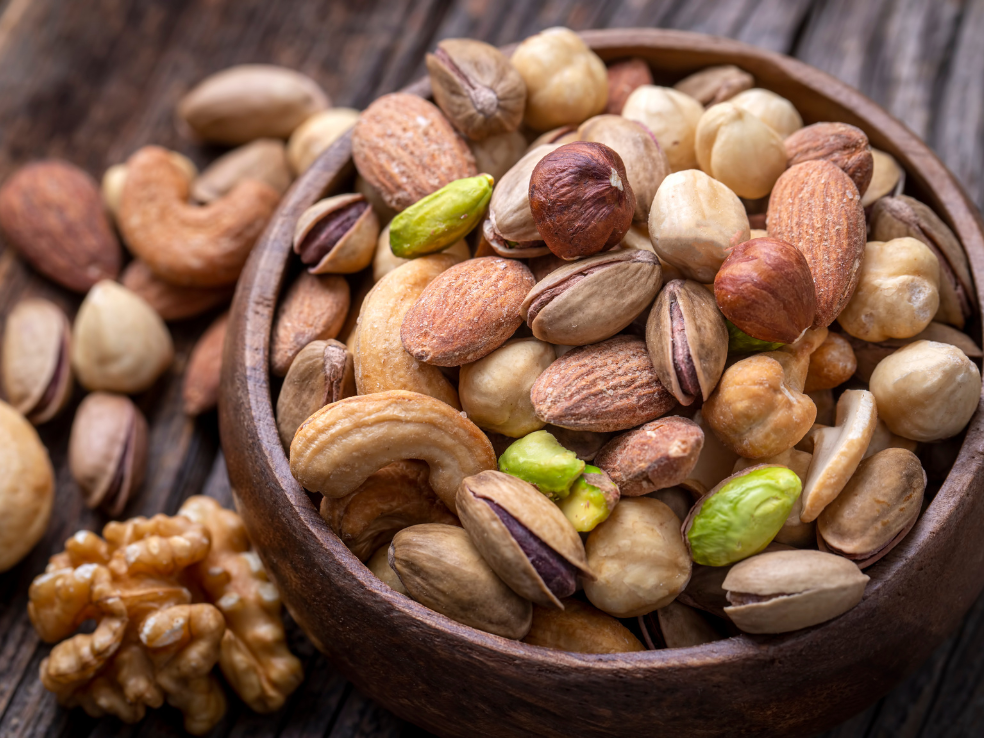
In recent years, nuts have become an increasingly stable feature of Italians’ daily diets, thanks to their nutritional profile, versatility, and growing interest in balanced eating habits. This shift is also redefining production dynamics and supply chain strategies.
According to the latest data compiled by ISMEA, nuts are experiencing a phase of significant expansion in the Italian market. In 2025, retail purchases exceeded €1.1 billion, representing a 13% increase compared to the previous year and confirming the growing weight of this category within household fresh produce spending.
Today, nut production in Italy is growing, with national production covering 37% of total domestic availability. However, this remains insufficient to meet demand, requiring a significant share to be imported. Against this backdrop, market growth is intertwined with a deeper transformation across the supply chain, where sustainability and innovation are becoming decisive factors.
Strengthening domestic production is not merely driven by economic logic, but also by the need to reduce the environmental impact associated with imports, improve traceability, and add value to local produce.
Research is already delivering concrete answers in this direction. Through the “Valore in campo” project, CREA has worked to build a more productive and resilient nut supply chain by addressing key areas such as genetic improvement, agronomic management, and process innovation.
Among the most significant results are the development of crop varieties better adapted to climate change and the introduction of techniques capable of optimizing resource efficiency, such as in almond orchards, where advanced irrigation systems reduce water consumption by more than 20% without compromising yield or quality.
The circular approach to resource management is also gaining momentum. Processing by-products, such as those derived from carob, can be repurposed for energy production or used as soil conditioners, turning waste into a resource and helping reduce the supply chain’s overall environmental footprint.
The practices developed across the nut supply chain, from efficient water management and input reduction to waste valorization, offer a concrete example of how innovation and sustainability can move forward together, helping reinforce the sector’s overall competitiveness.
Sources
- ISMEA. Dalla filiera all’arte dolciaria: numeri, tendenze e prospettive della frutta in guscio. 2026.
- CREA. Frutta a guscio: il ruolo della ricerca per la costruzione di una filiera italiana più produttiva, resiliente e competitiva. 2026.


