


Recommended for you


More health in the shopping trolley: when wellness drives purchasing choices
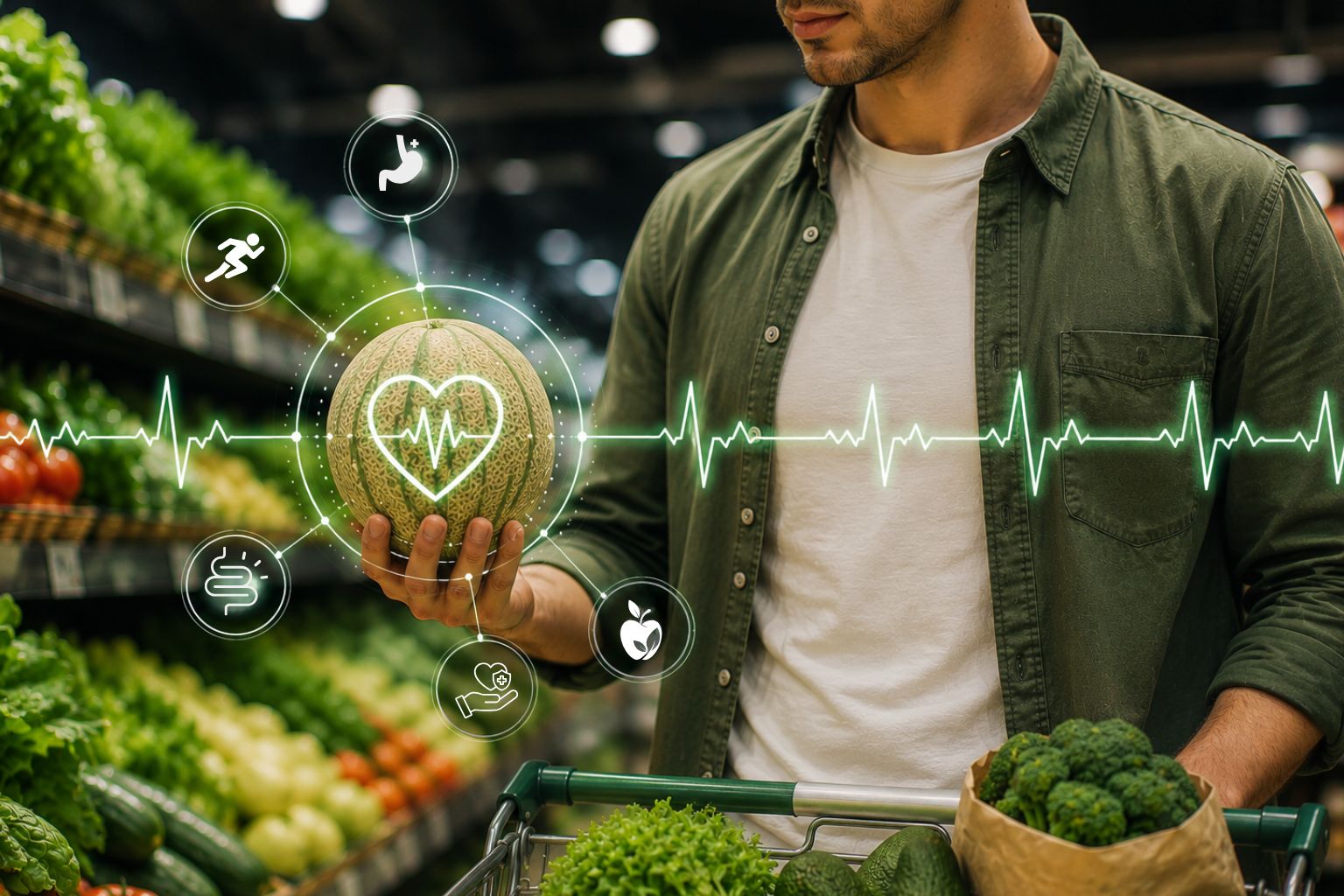
“Health begins at the table,” as a long-established popular saying goes. While the link between diet and well-being was once mainly associated with what we put on our plates, today it is becoming an increasingly relevant factor in Italian food shopping, shaping not only what people eat, but what they reach for on the supermarket shelves.
This is confirmed by the YouGov webinar La salute riempie il carrello, which revealed that 51% of Italians say they think about their long-term health often or always when grocery shopping. It is a trend that spans every generation, albeit with differing sensitivities. From 41% of Gen Z to 54% of Millennials and 56% of Baby Boomers, the numbers reflect an ongoing cultural shift: health is no longer perceived merely as a personal choice or lifestyle, but as a concrete criterion for evaluating food products.
If health is increasingly driving purchasing decisions, it becomes valuable to understand which specific attributes consumers associate with healthy food.
According to the Why2Buy Shopper survey conducted by YouGov for Italia Ortofrutta on a sample of 1,000 Italian households, the absence of additives, preservatives, and colorants (73%) alongside ingredients grown without chemical fertilizers or pesticides (72%) are highlighted as the most important factors when choosing food products. Many of these features align directly with those commonly associated with fresh produce, making fruits and vegetables increasingly attuned to consumer expectations.
This is further supported by NIQ’s Global State of Health & Wellness 2025 report, which shows that key trends redefining food wellness converge around the distinctive qualities of fresh produce. From growing interest in gut-friendly foods (which support gut microbiota health) to the demand for high-fibre, nutrient-dense products, as well as a focus on natural ingredients and nutritional quality, fruit and vegetables already provide a direct answer to modern consumer needs.
This goes beyond widespread public perception: scientific institutions also reinforce the central role of fresh produce in a healthy lifestyle. CREA’s Guidelines for Healthy Eating recommend consuming at least five portions of fruit and vegetables a day, highlighting their contribution to preventing numerous chronic diseases and maintaining overall health. The European campaign #Safe2EatEU, promoted by EFSA (European Food Safety Authority), follows the same path: in 2026, it places a strong focus on the link between nutrition and well-being, helping citizens make informed choices through science-based guidance on labels, nutritional needs, and balanced diets.
Consumers, scientific research, and the market are aligning around a food model where health and nutritional value take centre stage. This cultural shift is set to deepen: according to the NIQ report, 53% of consumers plan to increase their consumption of high-fibre foods over the next twelve months, confirming a growing commitment to more balanced, conscious eating.
In this landscape, fresh produce reaffirms its central position. The attributes now driving consumer choices – high fibre content, freshness, and nutritional quality – have always belonged to this category. Rather than simply following a trend, fresh produce confirms the role it has always held: serving as a primary benchmark for healthy, wellness-oriented nutrition.
Sources:
- CREA. Linee guida per una sana alimentazione. CREA, https://creafuturo.crea.gov.it/17338/.
- EFSA (European Food Safety Authority). Safe2Eat 2026: Science-backed Guidance for All Europeans. EFSA, 2026, https://www.efsa.europa.eu/it/news/safe2eat-2026-science-backed-guidance-all-europeans.
- Food Affairs. Salute e benessere a tavola: gli italiani investono nella nutrizione consapevole. Food Affairs, 12 June 2025, https://www.foodaffairs.it/2025/06/12/salute-e-benessere-a-tavola-gli-italiani-investono-nella-nutrizione-consapevole/.
- NIQ (NielsenIQ). Global State of Health & Wellness 2025: Navigating the Shift from Health Trends to Lifestyle Choices. NIQ, 2025, https://nielseniq.com/global/en/insights/report/2025/global-state-of-health-wellness-2025/.
- YouGov. La salute riempie il carrello. Webinar, 2026, https://yougov.com/it-it/articoli/54787-registrazione-la-salute-riempie-il-carrello.
- YouGov Shopper per Italia Ortofrutta. Indagine Why2Buy Shopper. December 2025.


