


Recommended for you


Effective microorganisms: the invisible life of the soil
There is a famous quote that reads: “What is essential is invisible to the eye.” Nothing could be truer when it comes to horticulture.
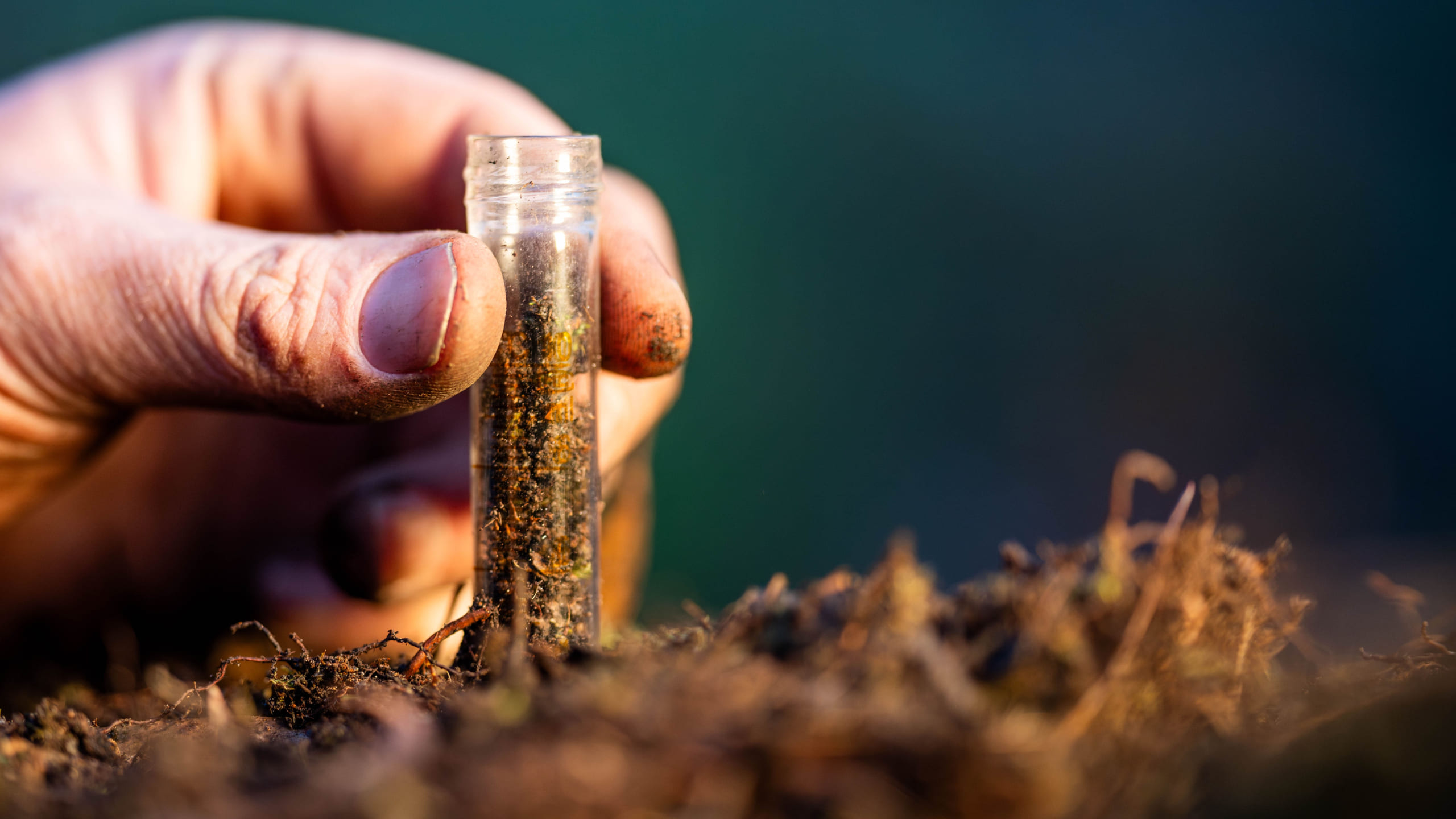
When observing cultivated land, what our eyes cannot see is what happens just beneath the surface, around the roots, where even a few grams of soil host a dense community of microorganisms. Here, bacteria, fungi, yeasts, and other microscopic soil inhabitants work tirelessly, contributing to processes fundamental to soil life and crop health.
Microorganisms in the soil: key players in the biofilm
In the soil, microorganisms are the key players in a dense network of exchanges and transformations. They often organize themselves into biofilms, communities adhering to soil particles and especially to the rhizosphere (the area in direct contact with the roots), where they contribute to the decomposition of organic matter and the transformation of nutrients, making certain elements more easily assimilable by plants. This activity can improve the nutritional efficiency of crops and promote a more stable physiological balance, with positive effects on the plant’s ability to respond to stress.
In some cases, interaction with specific microorganisms can also stimulate the synthesis of secondary metabolites and the accumulation of bioactive compounds such as polyphenols and antioxidant substances. Because of this, the microbial component of the soil is not only an important indicator of its health and fertility, but also a direct driver of final product quality.
When quality begins underground
Although results vary based on the microbial strain used, the cultivar, and the pedoclimatic conditions of the soil (as already documented in crops such as tomato, strawberry, and lettuce), soil composition analyses have shown that the presence of microorganisms translates into a higher accumulation of sugars and dry matter in the fruit, ensuring a higher Brix degree, a richer organoleptic profile, and greater post-harvest shelf life.
This is precisely the most interesting point: in a phase of profound agricultural transformation, understanding and enhancing the role of microorganisms means intervening in one of our most precious resources, the soil. Investing in its biological health means making it more efficient and capable of supporting production over time.
Sources
- Bevivino, Annamaria, and Antonella Del Fiore. “Il ruolo dei microrganismi per un cibo sano e sostenibile.” EAI – Energia, Ambiente e Innovazione, ENEA, 2021, doi:10.12910/EAI2021-063.
- “Il ruolo dei microrganismi del suolo per la sostenibilità.” Biozeta, www.biozeta.it/il-ruolo-dei-microrganismi-del-suolo-per-la-sostenibilita/. Accessed 15 Sept. 2026.
- Zaccardelli, Massimo, Catello Pane, and Paola Iovieno. “I microrganismi del suolo in campo per la sostenibilità.” CREA futuro, 28 Sept. 2021, creafuturo.crea.gov.it/3732/
- “Microrganismi benefici in orticoltura e agricoltura.” Koppert Italia, www.koppert.it/protezione-delle-colture/controllo-biologico-dei-parassiti/microrganismi-benefici/


