


Recommended for you

Agrivoltaics: farming the land while generating energy
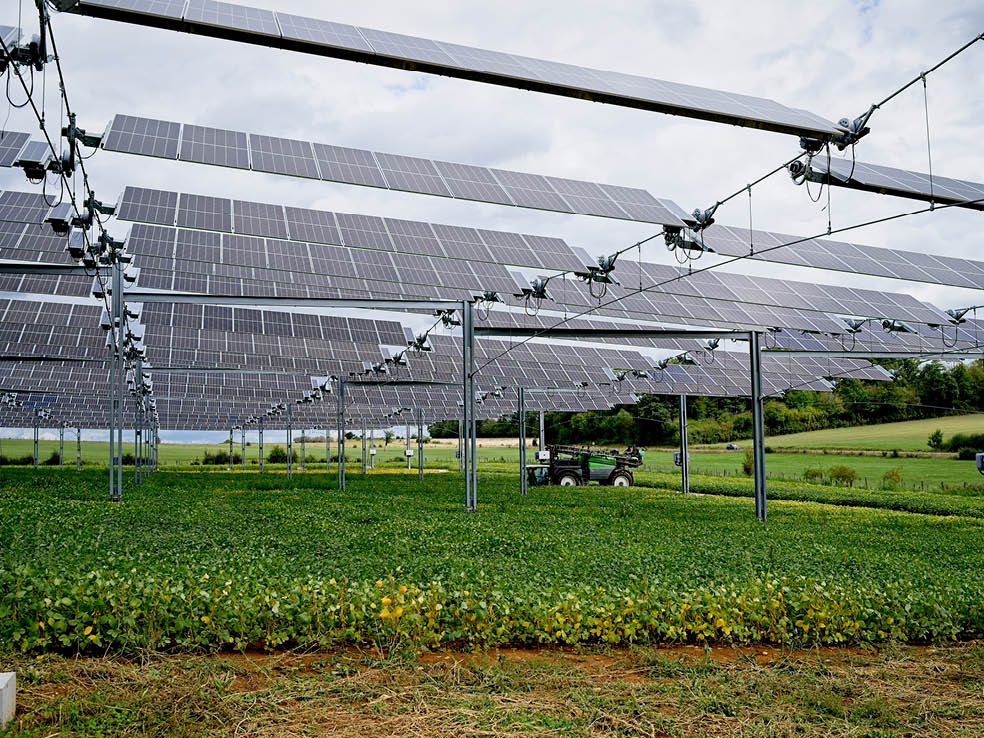
Generating renewable energy while cultivating the land at the very same time, on the exact same plot. This is the core principle of agrivoltaics, a system integrating photovoltaic panels with agricultural activities without taking productive land away from crops. Unlike traditional photovoltaic installations, agrivoltaic systems feature elevated structures or technological designs that permit the passage of farm machinery, the growth of underlying crops, and even livestock grazing. The objective is twofold: producing clean energy on actively farmed land through an efficient resource management framework.
The implementation of this technology is backed by public policies and forms part of a broader strategy aimed at integrating energy transition, agricultural land protection, and business resilience, helping farms tackle increasingly frequent extreme weather events and fluctuating energy costs.
Indeed, when properly designed, agrivoltaic systems contribute to improving crop microclimate management. Partial and dynamic shading reduces heat stress during peak temperatures and can promote greater water-use efficiency.
There are also tangible energy and economic benefits. The electricity prooduced can be used directly on site to power irrigation systems, cold storage units, or processing lines, thereby cutting costs and lowering the overall carbon footprint.
Agrivoltaics is not a one-size-fits-all solution, nor is it suitable for every context. Rather, it represents an additional tool available to enterprises choosing to innovate by integrating energy generation with fresh produce production, while keeping product quality and land stewardship at the centre.
In a climate where environmental changes represent a top concern for citizens, investing in integrated solutions such as agrivoltaics can help enhance and elevate the value of Italian fresh produce, making those investments that strengthen the environmental, economic, and social sustainability of the supply chain clearly recognisable
Sources
- Ministero dell’Ambiente e della Sicurezza Energetica. PNRR – Investimento 1.1: Sviluppo agro-voltaico. MASE, https://www.mase.gov.it/portale/-/investimento-1.1-sviluppo-agro-voltaico
- CREA – Consiglio per la Ricerca in Agricoltura e l’Analisi dell’Economia Agraria. Agricoltura e rinnovabili: protocollo d’intesa CREA–Enel per l’agrivoltaico. CREA, https://www.crea.gov.it/-/agricoltura-e-rinnovabili-protocollo-d-intesa-crea-enel-per-l-agrivoltaico


